New inscriptions announced at a UN meeting in South Korea also include ancient sites in Japan’s Nara Prefecture and South Sudan’s first-ever World Heritage listing.
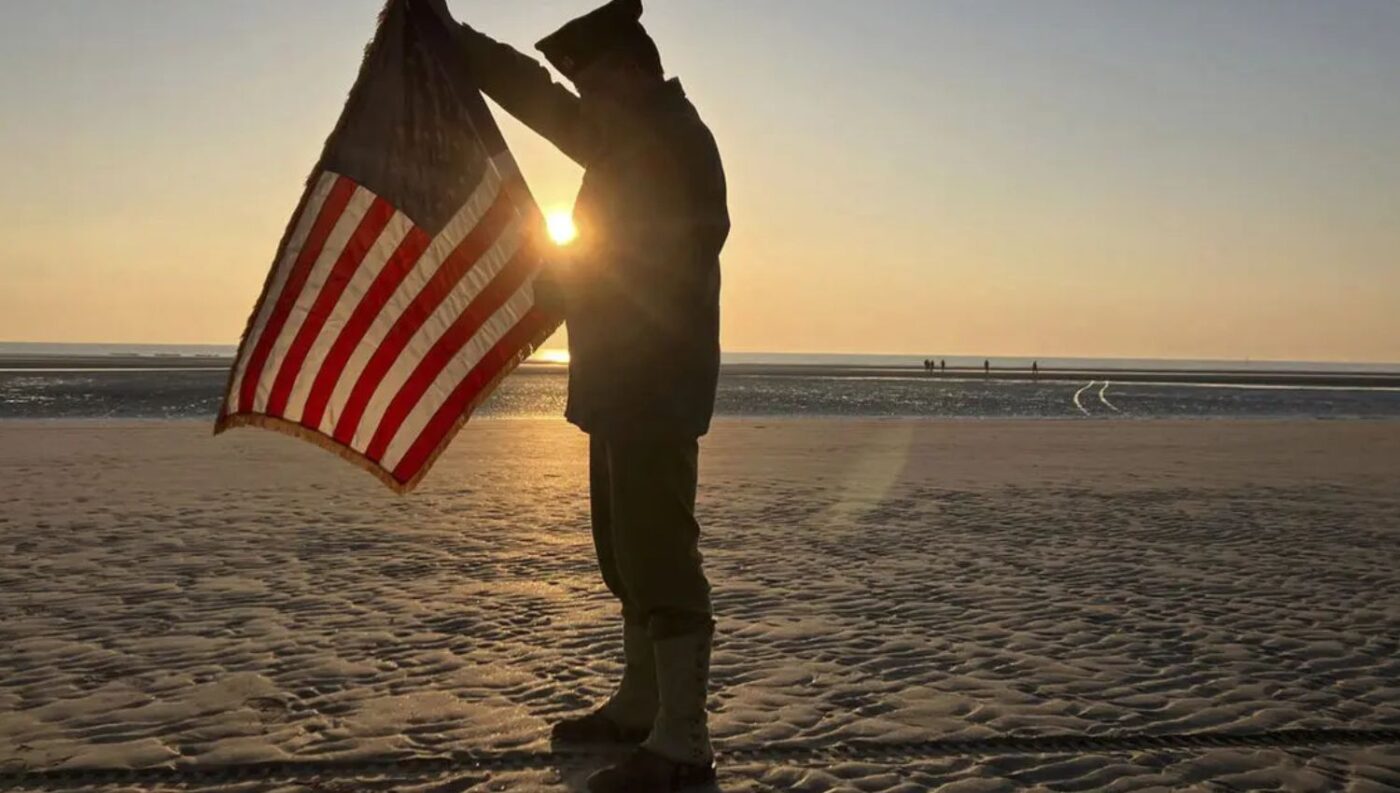
The Normandy beaches where Allied forces landed on D-Day have been granted UNESCO World Heritage status, alongside Mount Olympus in Greece.
The stretch of French coastline runs more than 80 miles and was the site of the landings on June 6, 1944. The five beaches are still known by their operational code names: Utah, Omaha, Gold, Juno and Sword.
Normandy regional president Hervé Morin said the listing brings an obligation with it, describing a special responsibility to preserve, protect and safeguard the area more carefully than before.
Mount Olympus, at 2,918 metres, was recognised both for its biodiversity and for its place in Greek mythology as the home of the gods.
In Japan, 19 archaeological sites in Nara Prefecture dating from the 6th and 7th centuries were also inscribed. The area contains the remains of palaces and Buddhist temples from that period.
South Sudan gained its first World Heritage Site with the listing of the Boma-Badingilo Migration Landscape. The savannahs there support one of the largest mammal migrations on earth, with roughly six million antelope on the move.
The decisions were taken at a UN meeting held in South Korea on Sunday.