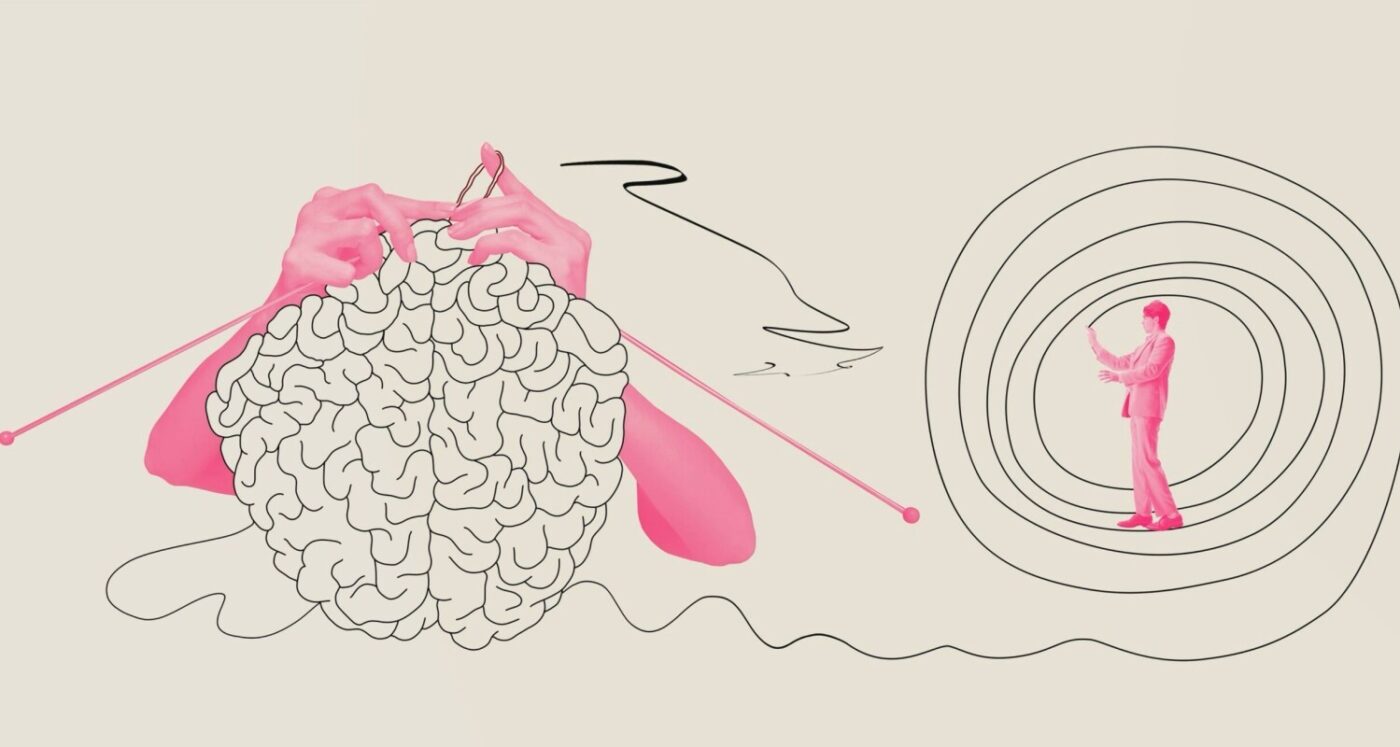
“Brain rot” — the fuzzy, unfocused feeling that comes from too much screen time — has become one of the defining complaints of the scrolling age. The good news, experts say, is that the brain can be trained back into shape, and it doesn’t take much.
Dr. Sabine Donnai, a longevity researcher and founder of London’s Viavi clinic, argues that constant digital stimulation keeps modern brains in a state of “constant vigilance,” producing what she calls a kind of “false ADHD.” Her reassurance: “The brain has an inherent ability to continue changing throughout life.”
The evidence for small interventions is striking. One 20-year study found that even modest amounts of speed-processing exercises — computer tasks that sharpen how quickly you take in visual information — were linked to a 25 percent lower risk of dementia. Strength training and movement help too: even 10 minutes of stretching raises BDNF, a protein that supports the formation of new neural connections.
Micro-habits do a surprising amount of the work. Brushing your teeth with your non-dominant hand while balancing on one leg, learning a language, or picking up juggling all combine several cognitive skills at once. Diet matters as well — folate from leafy greens and legumes, collagen from bone broth — and so, perhaps unexpectedly, does dental hygiene, since poor oral health is linked to a higher Alzheimer’s risk.
Even technology can be turned to the cause: apps that block distractions, swap mindless scrolling for short bursts of focused audio, or track screen time and nudge you to pause. The throughline is simple — the brain stays adaptable, if you give it something better to do.