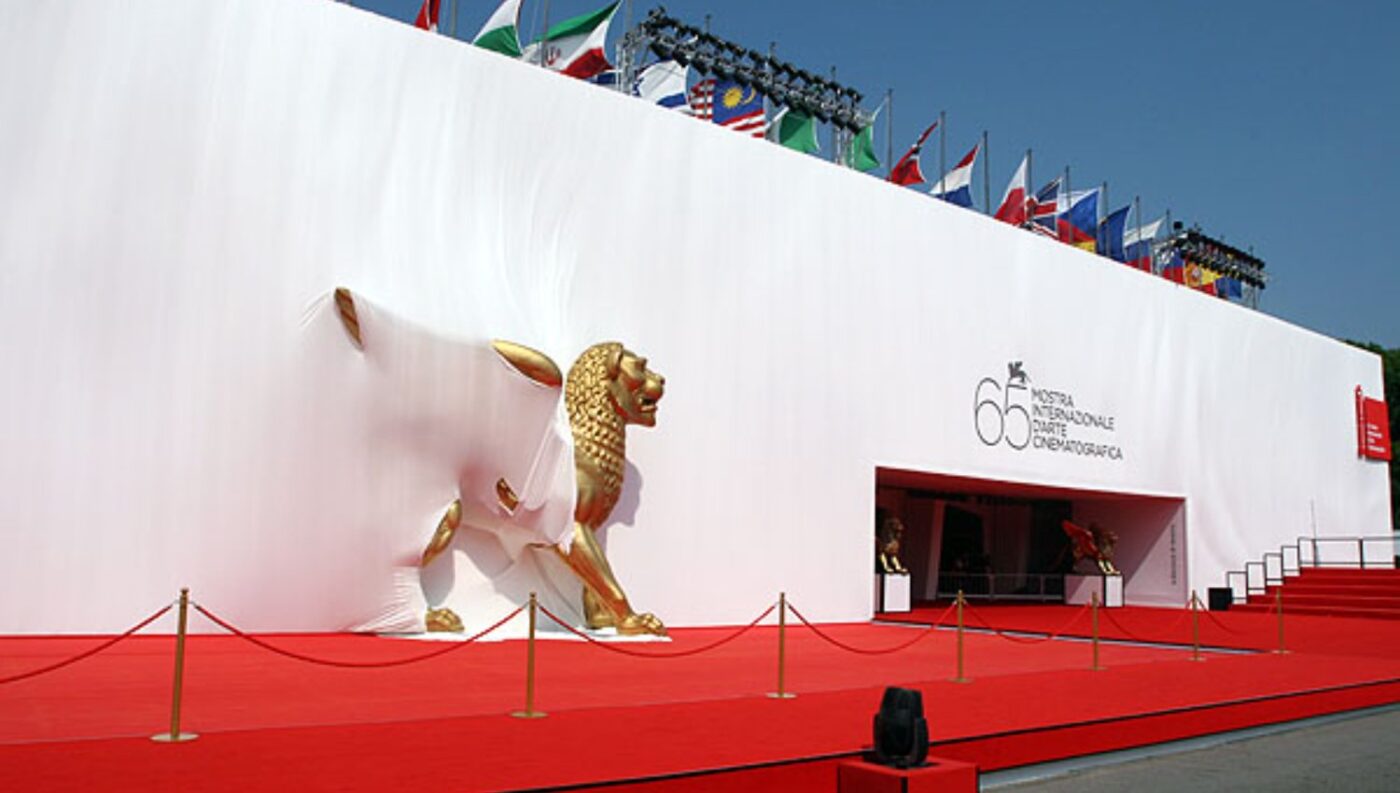
Long before a collection reaches a shop floor, it often makes its case on a red carpet. Events like the Venice Film Festival have evolved into some of fashion’s most valuable stages, where a single appearance can shape how a designer, a house or a trend is perceived by a global audience.
The 2026 festival underlined how deliberate that process has become. Looks are planned well in advance, negotiated between stars, stylists and brands, and calibrated for maximum impact both in person and, crucially, online. The carpet is now as much a media strategy as a fashion moment.
That professionalisation has raised the overall standard while narrowing the range. When every appearance is carefully managed, the results are consistently elegant but occasionally interchangeable, and the truly memorable looks stand out precisely because they break the pattern.
For designers, the appeal is obvious. A gown worn by the right person at the right moment can generate more attention than an entire runway show, filtering into the public imagination and, eventually, into the wider market.
Venice 2026 confirmed the red carpet’s central role in the fashion ecosystem. The open question is how much room remains, within such a managed system, for the spontaneity that made these moments matter in the first place.