Living your healthiest life has started to feel like a second job. Take this supplement. Hit this step count. Eat this much protein. Track your sleep, optimise your morning, monitor your recovery and, above all, mind your cortisol. Even people who write about health for a living find the sheer volume of advice overwhelming, and a growing number are pushing back.
The backlash against constant self-improvement has been building. When the entrepreneur Steven Bartlett described how two glasses of wine had derailed the better part of his week, the response was telling: plenty of people met it not with guilt but with exasperation. Somewhere along the way, wellness stopped being about feeling good and started being about endless measurement, and the fatigue is showing.
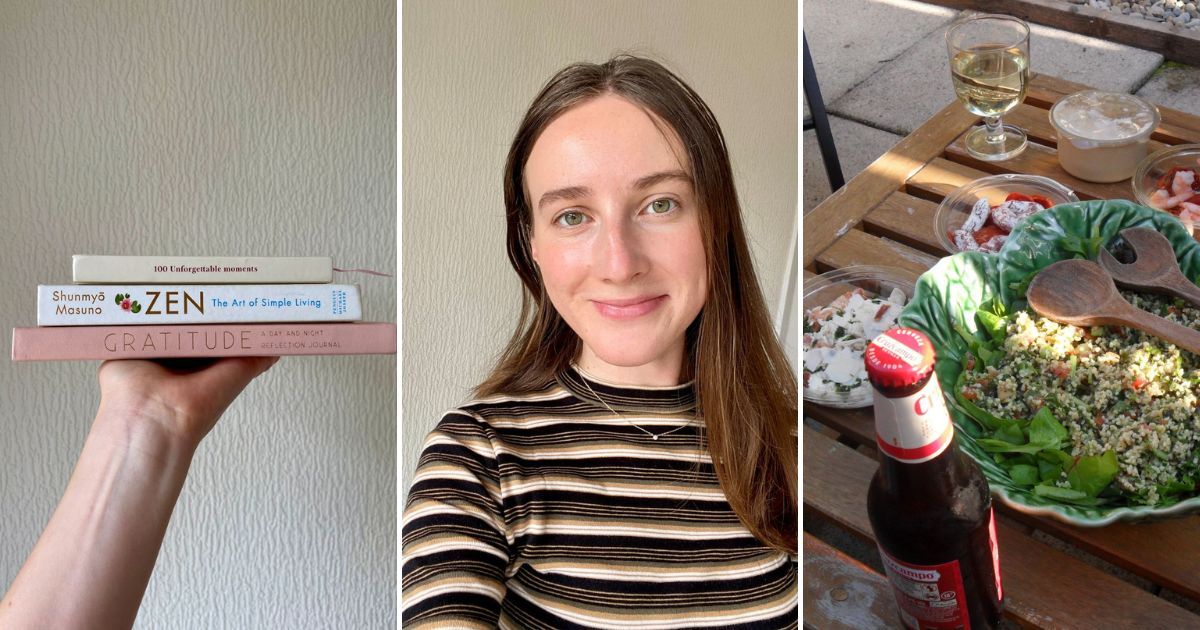
One health writer decided to test the alternative directly, opting out of wellness optimisation for a month to see what changed. The point wasn’t to abandon healthy habits, but to strip away the tracking, the biohacking and the low-grade anxiety that comes with treating your own body as a project to be perfected. Voices like Liz Moody have been at the front of that conversation, questioning whether all the monitoring actually makes people healthier or just more stressed.
The unspoken problem with optimisation culture is that it never ends. There is always another metric to improve, another habit to add, and the goalposts move the moment you reach them. That is exhausting in a way that undermines the very wellbeing it claims to deliver, and it quietly turns rest and pleasure into things you have to earn.
What the opt-out points to is a gentler definition of health: one that leaves room for two glasses of wine, an untracked night’s sleep and a morning that isn’t a routine to be executed. Doing less, it turns out, can be its own kind of wellness, and for a lot of people, a far more sustainable one.