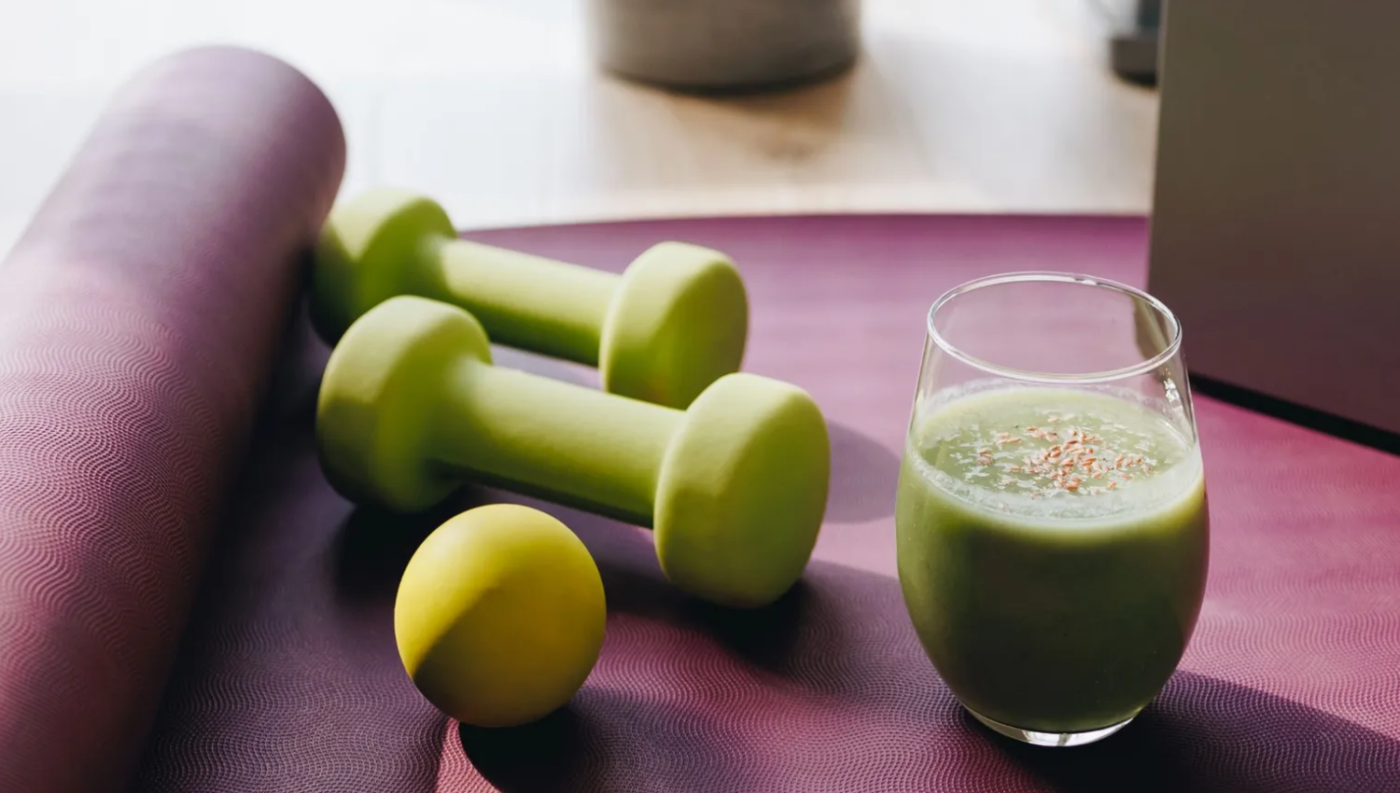
Ten master trainers, PTs and strength coaches on the one piece of equipment they’d keep if they had to bin the rest.
The best workout is the one you’ll still be doing in six weeks, which is why home training wins so often. No commute, no waiting for a squat rack, no negotiating with your calendar.
The snag is that without a coach in the room, buying kit becomes guesswork. Spend £200 on a machine you use twice and you’ve bought an expensive clothes horse. So I asked a range of master trainers, personal trainers and strength coaches which single piece of equipment they’d recommend for someone training at home, and why. The answers were cheaper and simpler than expected. Several cost less than a takeaway.
It also doesn’t take much to see a return. A 2025 study found that five minutes of home exercise a day was enough to improve both physical fitness and mental health in previously sedentary people. One or two bits of kit can make those minutes harder, more varied and less boring, which is usually the difference between a habit and a phase.
A basic pair of dumbbells, from £17.84
More trainers named dumbbells than anything else. Edwina Jenner, a PT specialising in strength training for women over 40, says if she could own one thing, this would be it. Cheap, versatile, and they never date or need replacing.
Her argument is that adding resistance makes a ten-minute session more effective than bodyweight alone, and the same pair stays challenging as you get stronger, because you can slow the tempo, add pauses or add reps. Dumbbells build muscle, strengthen bone, improve balance and make ordinary lifting and carrying feel easier. She likes the immediate feedback, too. Look after a decent set and they’ll outlast most of your other purchases.
The Amazon Basics neoprene pair costs £17.84. Not glamorous. Still doing the job in a decade.
Adjustable dumbbells, from £22.99
The variation the experts recommended most often. Tom Williams, Head of Performance and Strength & Conditioning Coach at Pure Sports Medicine, would pick a pair of adjustable dumbbells over anything else for a home setup. Squats, lunges, deadlifts, presses, rows, carries — all of it, without a room full of weights. He recommends them to beginners finding their confidence with resistance and to experienced lifters who want to keep progressing at home, because incremental loading is what drives long-term strength. Used consistently, he says, they support muscle mass, bone health, metabolic health and general physical resilience in barely any floor space.
Keiran Douglas, Senior Personal Trainer at Nuffield Health, agrees, and makes the practical case: no rack to accommodate, hundreds of full-body exercises available, and weight you can nudge upwards as your skill improves.
Yaheetech’s adjustable set is £22.99. Bulkier than fixed weights, which is the trade-off for owning one pair instead of five.
Resistance bands, from £9.99
Lannay Dale-Tooze, Content Writer and Personal Trainer at Gymshark, keeps bands in her kit because they earn their place across a whole session: warm-up, main work, then hamstring stretches on the way out. They come in light through to strong, and in different shapes, from mini booty bands to long loop bands.
She uses them two ways. To isolate — a mini band around the thighs during squats fires the glutes and hip abductors and cleans up form. And to assist, looping a long band to take some of your weight during pull-ups while you build towards unassisted reps. That second use makes them valuable if you’re coming back from injury, since you can rebuild strength and range of motion at whatever pace your body allows.
A Coresteady set of five costs £9.99. Thin material is the only real complaint.
An exercise mat, from £39.99
Boring, overlooked, and the thing you’ll notice the absence of within one set of dead bugs. Douglas rates a mat as basic essential kit, whether you’re training abs or working through a yoga session. Comfort on a hard floor is what keeps you on the floor.
Decathlon’s Pilates mat is £39.99 and thick enough to make kneeling work bearable. Too chunky to lug to a class, so treat it as a home fixture.
A kettlebell, from £13.99
Douglas suggests a set for the movements you can’t easily replicate with dumbbells. Swings and Turkish get-ups build functional fitness while training cardio and explosive power in the same rep.
The KAYMAN soft kettlebell is £13.99, non-slip and won’t crater your floorboards, though it takes up more room than its weight suggests.
An adjustable bench, from £69.99
Williams calls the bench the most underrated piece of home kit. Change the angle and you immediately multiply the exercises available, hitting the same muscles from new positions.
He recommends it to anyone who wants more from their strength training without buying a gym’s worth of equipment. Pair a bench with dumbbells and you unlock dozens of upper and lower body moves that are awkward or impossible on the floor. The result is a fuller programme, which does more for strength, muscle and posture, and keeps people interested for longer.
YOLEO’s adjustable bench is £69.99. You’ll need somewhere to put it.
A TRX suspension trainer, from £208.95
The most expensive recommendation here, and the one its advocate is most evangelical about. Charlotte Tooth, PT and Master Trainer, describes the TRX Home 2 as a gym you can anchor almost anywhere: a door, a garden tree, a palm tree if the holiday budget allows. Hers travel with her, light enough for hand luggage on short trips. All of her clients own a set and all of them, she says, are hooked.
Hers have lasted ten years. The straps work core, upper body and lower body, and they expose imbalances you didn’t know you had. Five length settings give you ground-based work, standing work and suspended-leg exercises, and because the straps both assist and resist, you’re training balance and stability alongside strength.
£208.95, so worth being honest about how often you’ll use it before you commit.
Wrist weights, from £46.99
Sarah Emblow, Co-Founder of The Pilates Programme, likes Bala Bangles for making strength training approachable. Plenty of her clients train on a mat at home, and wrist weights add resistance to exercises that would otherwise rely on bodyweight, building strength and muscular endurance without losing the control Pilates depends on.
Increase the weight as you get stronger and they grow with you. They’re light, easy to store, good for travel and, as Emblow points out, actually attractive enough that people wear them, which is more than can be said for most fitness accessories. Some of her clients wear them on walks or while doing housework.
The 1lb pair in blush is £46.99 at Healf, which is a lot for two small weights. That’s the fashion premium.
Ankle weights, from £30.55
Eloise Skinner, author and fitness instructor, uses ankle weights to raise the intensity of Pilates or barre at home. You can also bring them to a regular-level class to make it harder, though she’s clear about the order of operations: get your form right first, then add load, and check with your teacher that it’s appropriate. Expect a bigger glute burn. Wrist weights, by comparison, add an endurance element to overhead arm work while loading arms, shoulders and back.
Pvolve’s 1.5lb pair is £30.55, comfortable and plain, with no option to change the weight.
A tennis ball, from £4.85
Skinner’s other recommendation, and the cheapest thing on this list by a distance. It’s mostly recovery kit: roll it along your back and shoulders, or in small circles over glutes and quads. She also uses it to mobilise and strengthen the feet, rolling it slowly across the arches to ease tightness and improve circulation. Feet get almost no attention in most training plans, and strong, mobile ones protect you through every other kind of workout.
£4.85 for three. You only see the benefit if you actually use them, which means leaving one somewhere you’ll trip over it.